Exploring the realm of Effective cost management techniques for businesses, this introduction sets the stage for a deep dive into essential strategies that drive financial success. With a blend of informative insights and practical advice, readers are in for a compelling journey through the intricacies of cost management in the business world.
In the subsequent paragraphs, we will uncover key concepts, examples, and expert tips to empower businesses in optimizing their financial operations effectively.
Cost Management Techniques
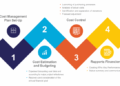
Effective cost management techniques are crucial for businesses to maintain profitability and sustainability in the long run. By efficiently managing costs, companies can optimize resources, increase competitiveness, and maximize profits. Let's explore some key cost management techniques used by businesses to achieve these goals.
Budgeting
Budgeting is a fundamental cost management technique that involves setting financial targets and allocating resources accordingly. By creating a detailed budget, businesses can track expenses, identify areas of overspending, and make informed decisions to control costs effectively. For example, a retail company may set a monthly budget for advertising expenses to ensure marketing costs stay within the allocated amount.
Outsourcing
Outsourcing is another cost-effective strategy that businesses use to reduce operational expenses. By outsourcing non-core functions such as IT support, customer service, or accounting, companies can benefit from specialized expertise while saving on overhead costs. For instance, a small business may outsource its payroll processing to a third-party provider to lower administrative costs and improve efficiency.
Inventory Management
Effective inventory management is essential for controlling costs related to storage, obsolescence, and carrying excess stock. By implementing just-in-time inventory systems or using inventory tracking software, businesses can minimize holding costs and avoid stockouts. A manufacturing company, for example, may adopt lean inventory practices to reduce waste and optimize production efficiency.
Negotiation and Supplier Relationships
Negotiating favorable terms with suppliers and building strong relationships can help businesses secure discounts, rebates, or better payment terms. By leveraging purchasing power and collaborating closely with vendors, companies can lower procurement costs and improve overall supply chain efficiency. For instance, a hospitality business may negotiate volume discounts with food suppliers to reduce ingredient costs and enhance profitability.Implementing these cost management techniques is essential for businesses to achieve financial stability, enhance competitiveness, and sustain long-term growth.
By adopting a proactive approach to cost control and continuously evaluating expenses, companies can optimize resources, improve financial performance, and boost profitability in today's dynamic business environment.
Budgeting and Forecasting
Budgeting and forecasting play a crucial role in effective cost management for businesses. By creating realistic budgets and accurate forecasts, companies can better control costs, anticipate financial risks, and make informed decisions to drive sustainable growth.
Creating Realistic Budgets
Budgeting is the process of estimating and allocating resources to achieve specific goals within a defined timeframe. To create realistic budgets that help control costs effectively, consider the following tips:
- Review historical data: Analyze past financial performance to identify trends and patterns that can guide future budget allocations.
- Involve key stakeholders: Collaborate with department heads and finance teams to gather insights and ensure buy-in for budget targets.
- Set achievable targets: Establish clear and measurable goals that align with the company's strategic objectives and market conditions.
- Monitor and adjust: Regularly track budget performance, identify variances, and make necessary adjustments to stay on track.
Accurate Forecasting for Risk Mitigation
Forecasting involves predicting future financial outcomes based on historical data, market trends, and business projections. Accurate forecasting can help businesses anticipate and mitigate financial risks by:
- Evaluating market trends: Monitor industry developments, customer behavior, and economic indicators to inform revenue and expense forecasts.
- Scenario planning: Develop multiple scenarios to assess potential outcomes and prepare contingency plans for different risk scenarios.
- Utilizing forecasting tools: Leverage advanced analytics and forecasting software to enhance accuracy and efficiency in predicting financial performance.
- Regularly update forecasts: Review and revise forecasts based on new information, changing market conditions, and internal developments to make timely adjustments.
Cost Reduction Strategies
In today's competitive business environment, implementing effective cost reduction strategies is crucial for ensuring long-term sustainability and profitability. By identifying innovative approaches to cutting costs, businesses can optimize their operations and improve their bottom line.
Short-term Cost-cutting Measures vs. Long-term Sustainable Cost Reduction Methods
- Short-term cost-cutting measures often involve quick fixes such as reducing discretionary spending, renegotiating contracts, or implementing temporary hiring freezes. While these strategies can provide immediate relief, they may not address underlying inefficiencies or structural issues within the organization.
- On the other hand, long-term sustainable cost reduction methods focus on making fundamental changes to business processes, improving operational efficiency, and investing in technology and automation. These strategies may require more time and resources upfront but can lead to significant cost savings and improved profitability in the long run.
Impact of Cost Reduction Strategies on Overall Business Profitability
- Implementing cost reduction strategies can have a direct impact on overall business profitability by increasing margins, improving cash flow, and enhancing competitiveness in the market.
- By optimizing operational efficiency and reducing unnecessary expenses, businesses can allocate resources more effectively, invest in growth opportunities, and enhance their financial performance.
- It is important for businesses to continuously evaluate and adjust their cost reduction strategies to adapt to changing market conditions and ensure long-term success.
Technology and Automation
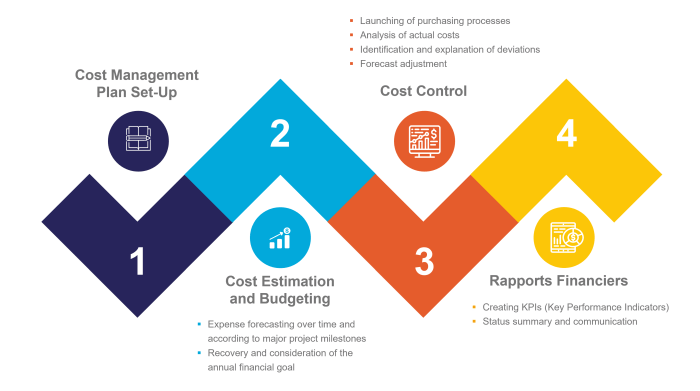
In today's digital age, technology and automation play a crucial role in streamlining cost management processes for businesses. By leveraging innovative tools and software, organizations can enhance efficiency, accuracy, and overall financial performance.
Cost-Effective Software and Tools
- Accounting Software: Platforms like QuickBooks or Xero provide robust features for tracking expenses, managing budgets, and generating financial reports.
- Expense Management Systems: Tools such as Expensify or Concur automate expense tracking, approvals, and reimbursement processes, reducing manual errors and saving time.
- Enterprise Resource Planning (ERP) Systems: Solutions like SAP or Oracle offer comprehensive modules for cost control, procurement, and financial planning within a single integrated platform.
Benefits and Challenges
- Benefits of Integration:
- Improved Accuracy: Automation reduces human error in data entry and calculations, ensuring precise financial information.
- Time Savings: Automated processes speed up tasks like invoicing, budgeting, and forecasting, allowing staff to focus on strategic initiatives.
- Enhanced Visibility: Technology provides real-time insights into expenses, cash flow, and financial performance, enabling proactive decision-making.
- Challenges of Integration:
- Implementation Costs: Initial setup and customization of software may require investment in resources, training, and infrastructure.
- Data Security Risks: Storing sensitive financial data on digital platforms can expose businesses to cybersecurity threats and breaches.
- Resistance to Change: Employees may resist adopting new technologies, leading to resistance, training needs, or workflow disruptions.
Final Wrap-Up
As we reach the conclusion of this discourse, a comprehensive summary awaits, encapsulating the essence of effective cost management techniques for businesses. Through a reflective lens, we aim to leave readers inspired and equipped to navigate the complex landscape of financial management with confidence and finesse.
Frequently Asked Questions
What are some common cost management techniques used by businesses?
Common cost management techniques include activity-based costing, zero-based budgeting, and value engineering. Each method offers unique advantages for businesses seeking to optimize their costs effectively.
How can budgeting and forecasting contribute to effective cost management?
Budgeting helps businesses allocate resources efficiently, while forecasting provides insights into future financial trends, allowing proactive cost control measures. By integrating both practices, businesses can enhance their financial stability and long-term viability.
What impact does technology and automation have on cost management processes?
Technology and automation streamline cost management by improving accuracy, efficiency, and data analysis. By leveraging software tools and automated systems, businesses can enhance decision-making processes and optimize cost-saving opportunities.
![The 5 Best Laptops for Small Businesses in 2024 [All Budgets]](https://business.blogcristiano.net/wp-content/uploads/2025/11/Top-5-Tech-Gadgets-for-Entrepreneurs-120x86.jpg)