As Cost-effective strategies for small businesses takes center stage, this opening passage beckons readers with captivating insights into practical approaches that can help small businesses thrive without breaking the bank. From innovative marketing techniques to streamlined inventory management, this comprehensive guide is designed to equip small business owners with the knowledge they need to succeed in a competitive market landscape.
The subsequent paragraphs delve into specific strategies and solutions tailored to enhance operational efficiency and financial sustainability for small businesses of all sizes.
Cost-effective Marketing Strategies
Marketing plays a crucial role in the success of small businesses, but it doesn't have to break the bank. By implementing cost-effective strategies, businesses can effectively promote their products or services without overspending.
Low-Cost Marketing Strategies
There are several low-cost marketing strategies that small businesses can take advantage of to reach their target audience without draining their budget:
- Utilize social media platforms for free promotion and engagement with customers.
- Create informative and engaging content on your website or blog to attract organic traffic.
- Collaborate with other small businesses for cross-promotion opportunities.
- Attend local community events or trade shows to network and showcase your products or services.
Importance of Social Media Marketing
Social media marketing is a cost-effective way for small businesses to increase brand awareness, engage with customers, and drive website traffic. By leveraging platforms like Facebook, Instagram, and Twitter, businesses can connect with their target audience on a personal level without spending a fortune on traditional advertising.
Collaborating with Influencers on a Budget
Working with influencers can be a powerful marketing strategy for small businesses, but it doesn't have to break the bank. Consider partnering with micro-influencers who have smaller but highly engaged audiences, as they often charge less for sponsored posts. Additionally, offer product samples or exclusive discounts to influencers in exchange for promoting your brand to their followers.
Budget-Friendly Technology Solutions
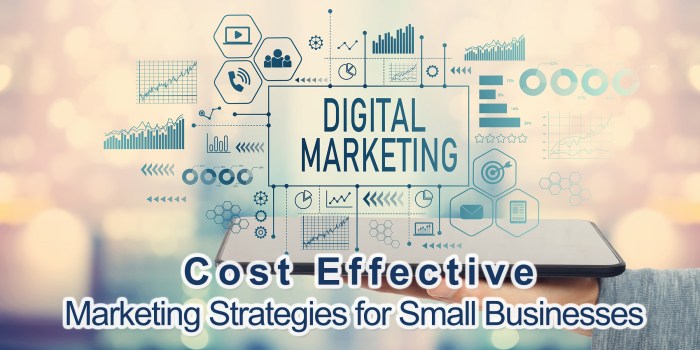
In today's digital age, small businesses can leverage various budget-friendly technology solutions to streamline their operations and enhance efficiency without breaking the bank. From free or low-cost software to cloud computing and affordable e-commerce platforms, there are plenty of options available for small businesses to embrace technology without a hefty price tag.
Free or Low-Cost Software Solutions
When it comes to software solutions, small businesses can take advantage of free or low-cost options to meet their operational needs. From project management tools like Trello and Asana to communication platforms like Slack and Zoom, there are numerous software applications available at affordable prices or even for free.
By utilizing these tools, small businesses can enhance collaboration, communication, and productivity without a significant financial investment.
Benefits of Cloud Computing
Cloud computing offers small businesses the opportunity to reduce IT infrastructure costs significantly. By storing data and applications on remote servers accessed over the internet, businesses can eliminate the need for expensive hardware and maintenance. Cloud computing also provides scalability, flexibility, and enhanced security, making it a cost-effective solution for small businesses looking to optimize their IT operations.
Affordable E-commerce Platforms
When it comes to setting up an online store, small businesses can choose from a variety of affordable e-commerce platforms that offer robust features without a high price tag. Platforms like Shopify, WooCommerce, and Big Cartel provide small businesses with the tools they need to create and manage an online store, process payments, and track inventory, all at a reasonable cost.
By selecting the right e-commerce platform, small businesses can establish a strong online presence and drive sales without breaking their budget.
Cost-effective Human Resource Management

Managing human resources efficiently is crucial for small businesses to thrive. By implementing cost-effective strategies, businesses can optimize their workforce while keeping expenses in check.
Hiring Freelancers or Part-time Employees
One way to reduce labor costs is by hiring freelancers or part-time employees instead of full-time staff. This approach allows businesses to access specialized skills on an as-needed basis without the commitment of a full-time salary and benefits package.
Offering Remote Work Options
Providing remote work options can help businesses save on office space expenses. Employees working remotely can be just as productive while reducing the need for a physical office space. This flexibility can also attract top talent from a wider pool of candidates.
Employee Training and Development
Investing in employee training and development is essential for business growth. To do this cost-effectively, businesses can utilize online training platforms, webinars, and workshops to provide continuous learning opportunities. Leveraging internal resources for mentorship and on-the-job training can also be an effective way to develop skills without significant expenses.
Efficient Inventory Management
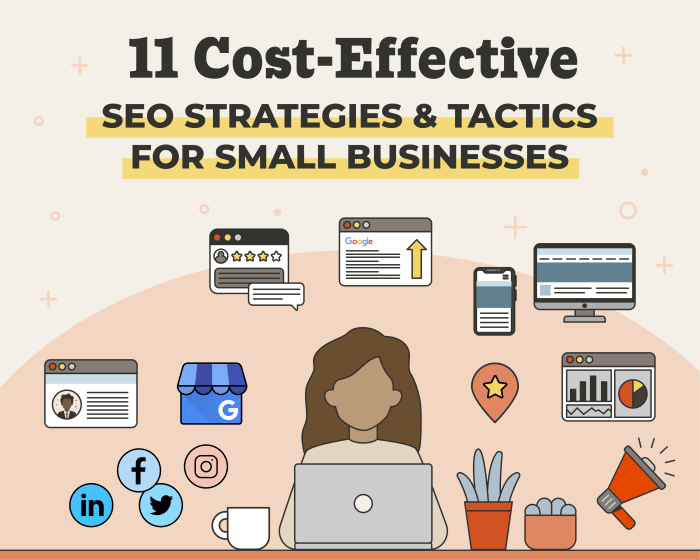
Inventory tracking is a crucial aspect of running a small business efficiently. By keeping a close eye on your inventory, you can reduce unnecessary costs, prevent overstocking or stockouts, and ultimately improve your bottom line.
Optimizing Inventory Levels
Maintaining the right balance of inventory levels is key to maximizing efficiency and reducing costs. Here are some tips for optimizing your inventory levels:
- Regularly analyze sales data and trends to forecast demand accurately.
- Implement an automated inventory management system to track stock levels in real-time.
- Establish clear reorder points to ensure you replenish stock at the right time.
- Utilize just-in-time inventory management to minimize storage costs and reduce the risk of deadstock.
Benefits of Just-In-Time Inventory Management
Just-In-Time (JIT) inventory management is a strategy that focuses on minimizing inventory carrying costs by only ordering goods when needed for production or sales. Some benefits of implementing JIT inventory management include:
- Reduced storage costs and overhead expenses.
- Improved cash flow by freeing up capital tied up in excess inventory.
- Minimized waste and obsolescence by only ordering what is needed.
- Increased flexibility to respond to changing market demands quickly.
Final Thoughts
In conclusion, Cost-effective strategies for small businesses offer a roadmap to success by emphasizing the importance of strategic decision-making and resource optimization. By implementing these proven techniques, small business owners can navigate challenges and capitalize on opportunities in a cost-effective manner, ensuring long-term growth and profitability.
Expert Answers
How can small businesses benefit from social media marketing?
Small businesses can tap into a wider audience and engage with customers in a cost-effective way through social media platforms, increasing brand visibility and driving sales.
What are the advantages of cloud computing for small businesses?
Cloud computing can help small businesses reduce IT infrastructure costs, improve scalability, enhance data security, and facilitate remote access to critical business applications.
How can small businesses implement Just-In-Time inventory management?
By closely monitoring demand trends, optimizing supply chain logistics, and establishing strong supplier relationships, small businesses can effectively implement Just-In-Time inventory management to minimize storage costs and enhance operational efficiency.

![The 5 Best Laptops for Small Businesses in 2024 [All Budgets]](https://business.blogcristiano.net/wp-content/uploads/2025/11/Top-5-Tech-Gadgets-for-Entrepreneurs-120x86.jpg)